
Deer Valley Was Always on the Wish List
Ski houses sold destination club memberships better than anything else. Read together, the archive shows how clubs built their mountain portfolios, why the drive from the airport mattered, and what the condos fetched when clubs failed.
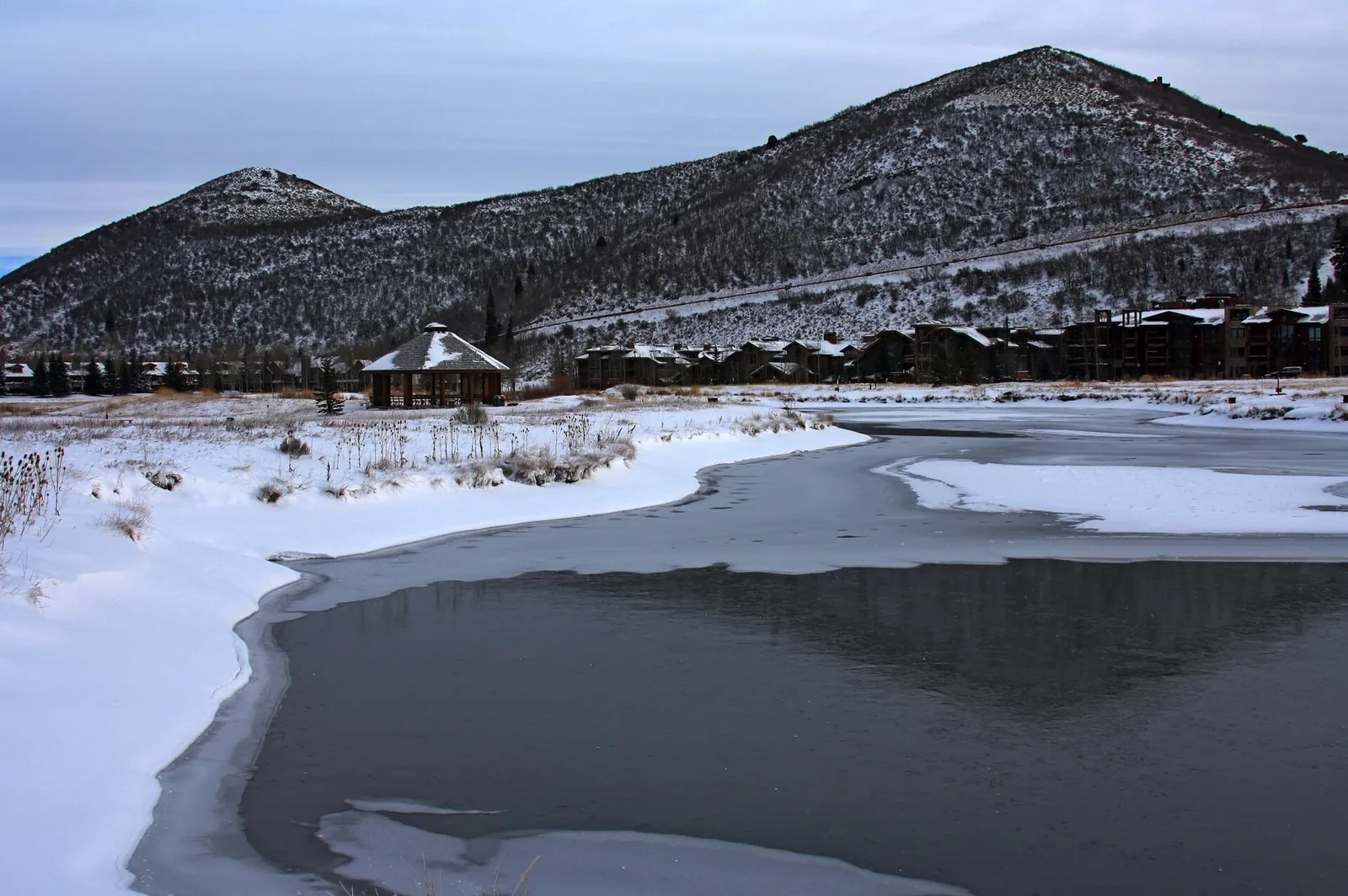
Ask anyone who sold destination club memberships in the middle of the 2000s what closed the deal, and the answer usually involved snow. Beach houses were pleasant. City apartments were useful. But the picture that made a prospect reach for a pen was a ski-in, ski-out house with boots drying by the fire, and the clubs knew it. Read the Destination Club News files in order and the same mountain towns keep turning up: Telluride, Vail, Snowmass, Lake Tahoe, Sun Valley and, again and again, Deer Valley.
This piece reads a handful of those reports side by side. None of them were written to be read together, which is part of what makes them useful now.
The first club started on a ski hill
The industry's founding story begins in Telluride. According to the archive's file on Abercrombie & Kent Destination Clubs, Rob McGrath and two partners bought the 29-unit Franz Klammer Lodge there for $28 million and sold tenth shares in each unit, taking in $29 million in the first year. After a similar venture in Jackson Hole he set out to build something with more choice for the traveler, and Private Retreats, launched in 1998, became the model much of the industry copied.
The press release list kept in the same file shows where the club went next. In January 2003 Private Retreats announced homes in Teton Village, Cabo San Lucas, Scottsdale and the Dominican Republic. That August came another batch, with Squaw Valley, the Outer Banks and Deer Valley among the new destinations. The club later traded under the Tanner & Haley name, and its Chapter 11 filing in 2006 is a story for another day. Its map, though, set a template that lasted: a club without a mountain house in Utah or Colorado was a hard thing to sell.
Polling the members
Six years later the wish list had barely moved. When former LUSSO Collection members tried to restart their club in 2009 under the name How Fun Resorts, they surveyed prospective members about where they wanted to go. Los Cabos came first, followed by New York, Naples, Deer Valley and Kiawah Island. These were people who had just watched one club go into Chapter 7, and a Utah ski town was still in their top five for the next one.
The cheaper clubs chased the same towns. Choice Escapes, which competed on price against High Country Club, owned a single property in Orlando but listed Park City and Myrtle Beach as coming soon. By March 2007 both had quietly disappeared from its site. And when Boundless Journeys Club went after members stranded by the Ultimate Escapes bankruptcy in late 2010, offering membership for $5,000 a year with no deposit, its launch portfolio named Los Cabos, Deer Valley and Hawaii.
An hour is a long time with ski bags
One detail the clubs liked to put in their property write-ups was the drive. The archive's feature on the Ritz-Carlton Destination Club at Lake Tahoe reads almost like a transfer schedule: ten minutes from Truckee, twenty from Incline Village, forty-five from Reno-Tahoe International, two hours from Sacramento, just over three from San Francisco. That list was there for a reason. A member paid for a fixed number of nights, and every hour spent on a mountain road came out of them.
Utah's resorts had a good answer to that question, which helps explain why Deer Valley kept appearing on wish lists. Park City sits well under an hour from Salt Lake City International by car, close enough that a family can land after lunch and be on the hill the next morning without losing a day. These days that leg is usually handled by a pre-booked transfer, and a service offering SLC airport transportation at a fixed fare covers exactly the run club concierges used to arrange for members. Once at the house, getting to dinner was the next small problem, and plenty of visitors hire a private car service in Deer Valley rather than drive the switchbacks after dark.
What a ski condo was worth when the music stopped
The mountain houses show up at the other end of the story too. High Country Club, the value club Christian Kirschner launched in 2005, told members in October 2008 that new appraisals on its homes had come in 20 to 50 percent lower. Its restructuring plan raised dues, added a cleaning fee of about $200 a stay, cut the portfolio to 21 homes and suspended new sales. By early 2009 the club was out of business. A year later seven former residences went to auction in Denver regardless of price, with opening bids suggested at $150,000.
The auction results, reported in May 2010, work as a small price index for the period. A four-bedroom house in Breckenridge sold for $722,700. A unit at Keystone brought $517,000, one in Arrowhead Village $588,500, and a two-bedroom at Mammoth Lakes $429,000. For members, the numbers were cold comfort. Kirschner had warned in 2008 that if the assets were liquidated, there would likely be nothing left to refund deposits once the mortgage holders were paid.
The clubs that kept buying
Not everyone was selling. In November 2010, with Ultimate Escapes in bankruptcy court, Equity Estates added a three-bedroom ski-in, ski-out unit in Snowmass base village, alongside an oceanfront villa in Anguilla. The Abercrombie & Kent Residence Club was promoting its house in Sun Valley, a three-bedroom residence in the Les Saisons development in Ketchum, and had raised its membership prices that summer after cutting them by 40 percent in 2009. The Ritz-Carlton club called Lake Tahoe the third in its collection of mountain properties.
The equity-backed clubs had a simple pitch for that moment. If members collectively owned the real estate, a downturn would hurt, but a bankruptcy would not leave them with nothing. Whether that pitch held up over the following decade is a question this archive cannot answer, because its reporting ends before most of these clubs met their next test.
Reading it now
Put side by side, the files say something the individual stories never quite did. The mountain house was the most persuasive thing a club could show a prospect, and also one of the most expensive things it could own: seasonal, costly to run, and empty for weeks in spring and autumn. High Country Club's own plan kept 21 homes and let go of the ones with excessive costs or low use. Several of the clubs that failed in this archive were the ones forced to sell their ski houses into a falling market.
For anyone planning a winter trip to the same towns, the logistics have changed less than the business model. The flight still lands in Salt Lake City, the drive still climbs Parleys Canyon, and a house is still only as good as the trip it takes to reach it. A guide to airport-to-resort transfers across Utah's ski areas is the modern version of the arrival sheet club members used to receive a week before they flew.
The vocabulary used in these reports, from equity clubs to member-to-property ratios, is defined in the archive's glossary, and the club directory shows which of the mountain clubs above folded and which carried on.